Packaging guidelines: avoid damaged orders
Last updated: July 21, 2026
This article claims to propose you solutions to reduce breakage during parcel shipments.
Ankorstore has realised that many brands have a high damage rate, whether they are older or younger and across different product types. We are therefore proposing this procedure in order to reduce the number of damaged products during parcel shipments as much as possible.
This will reduce the damage rate of the brands present on Ankorstore and at the same time reinforce their reliability with our retailers.
We identified 5 categories of damage have been identified:
Unsuitable packaging
Learn more
Packaging robustness
The first thing to do is to ask yourself what type of product is going to be shipped. Is it fragile? What material is it made of? Is it heavy? Is it inflated with air and liable to burst? etc.
The nature of the packaging can then be determined. A fragile product needs strong packaging, whereas an unbreakable product (textiles, for example) can be sent in a plastic pouch.
There is a wide choice of packaging: pouches, tubes, cardboard boxes, crates, etc. It is therefore necessary to define which of these types is best suited to the product.
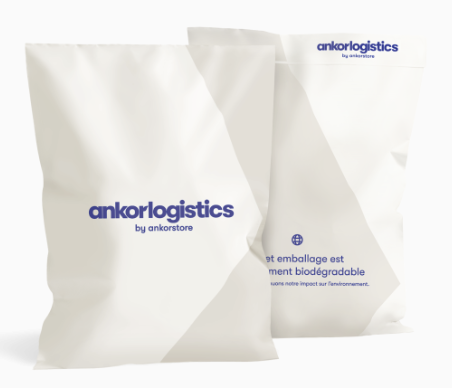
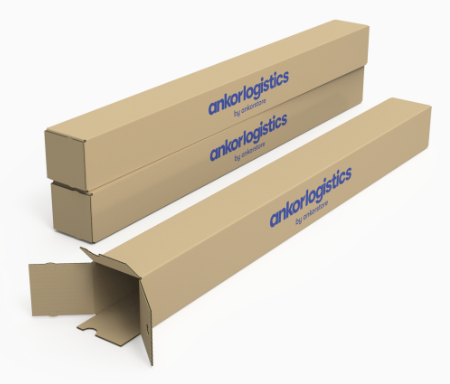
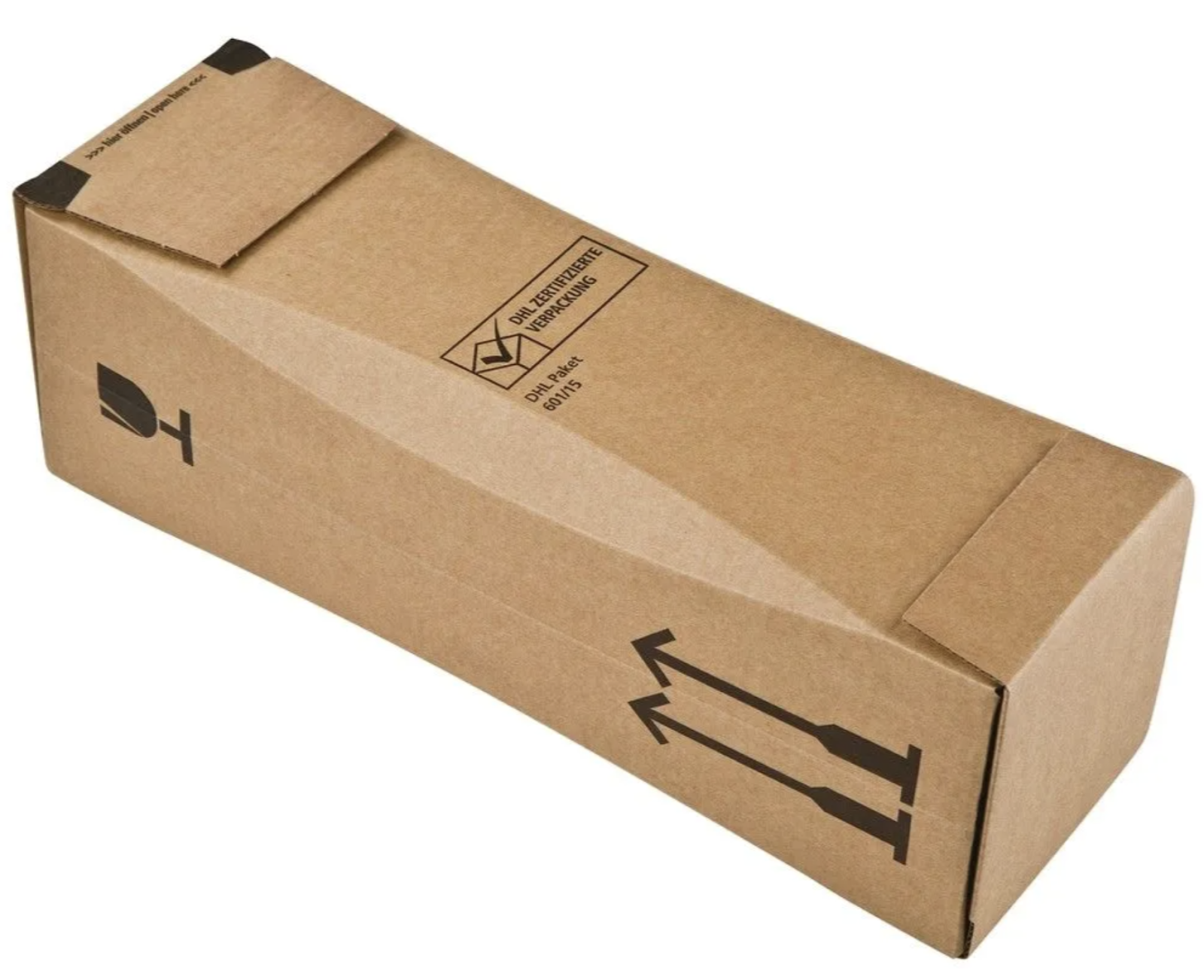
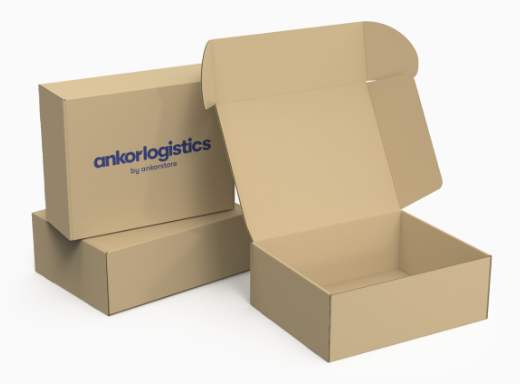
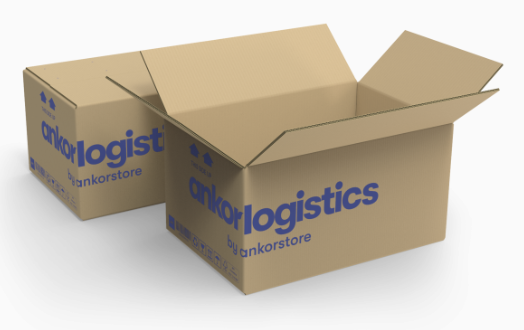
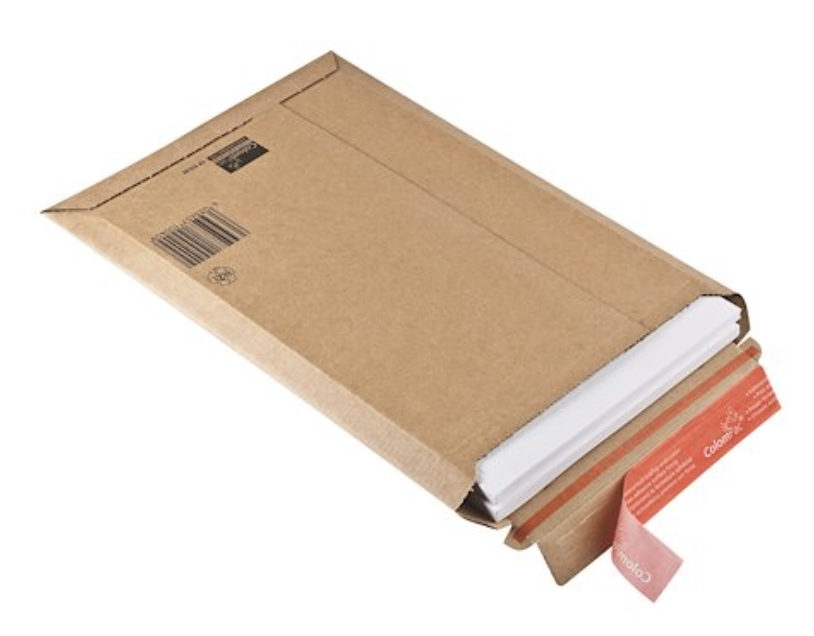
The qualities of resistance will be determined by the weight and type of product: single, double or triple flute.
Expert tip: always bear in mind that between the place of dispatch and the recipient, packages will be handled, stacked, loaded and unloaded with varying degrees of care.
Packaging dimensions
The size of the packaging must be adapted to the product in order to have a well-prepared and protected parcel.
If the box is too big, the product is likely to move around in the package and bang against the walls. This increases the risk of damage. There will also be an abnormally excessive use of cushioning accessories.
If it's too small, the product risks bursting during transport.
You should therefore ensure that you choose packaging that is slightly larger than the product (approximately 2cm more in height, length and width).
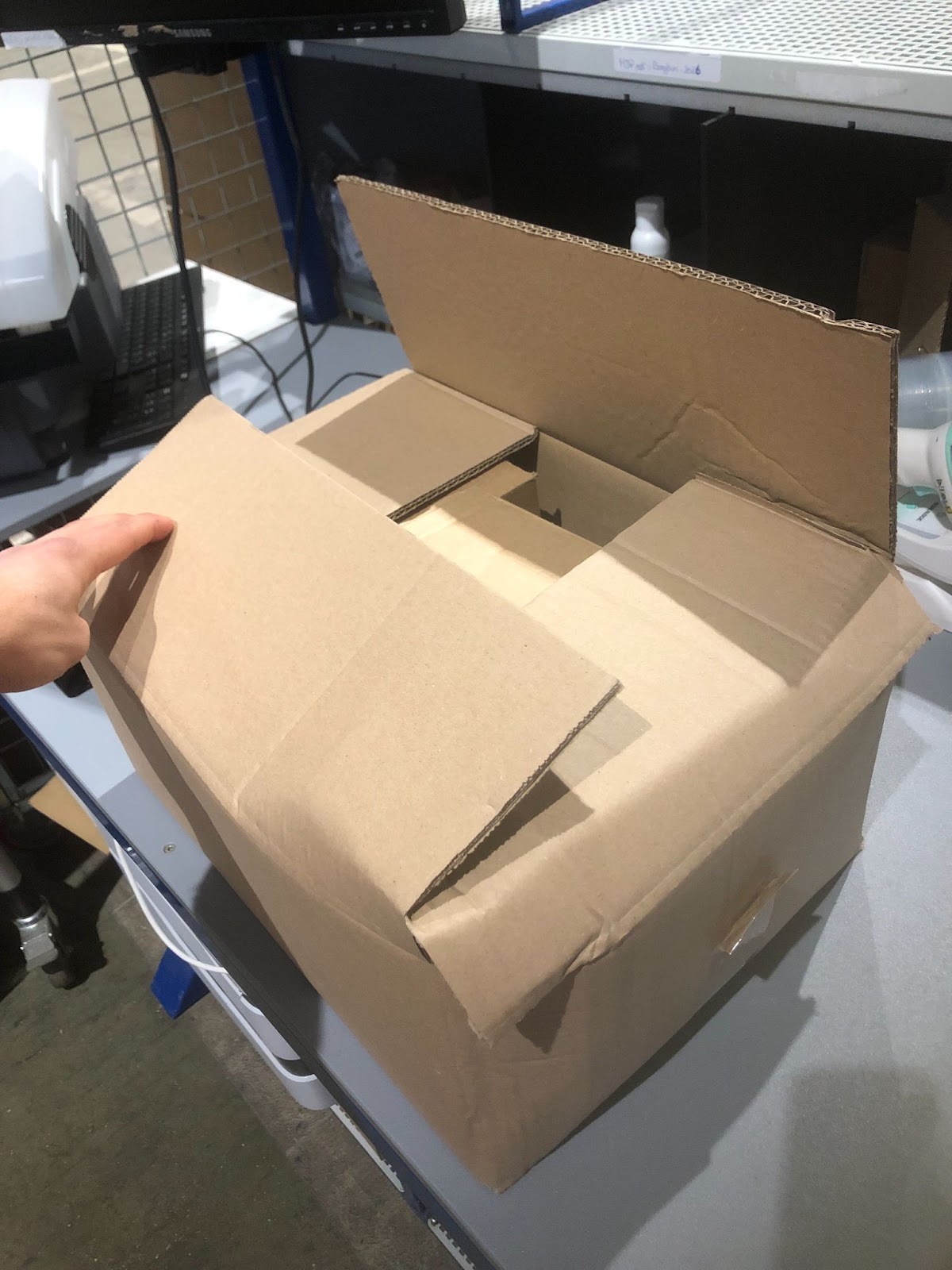
Packaging too small - The product is crushed by
the packaging
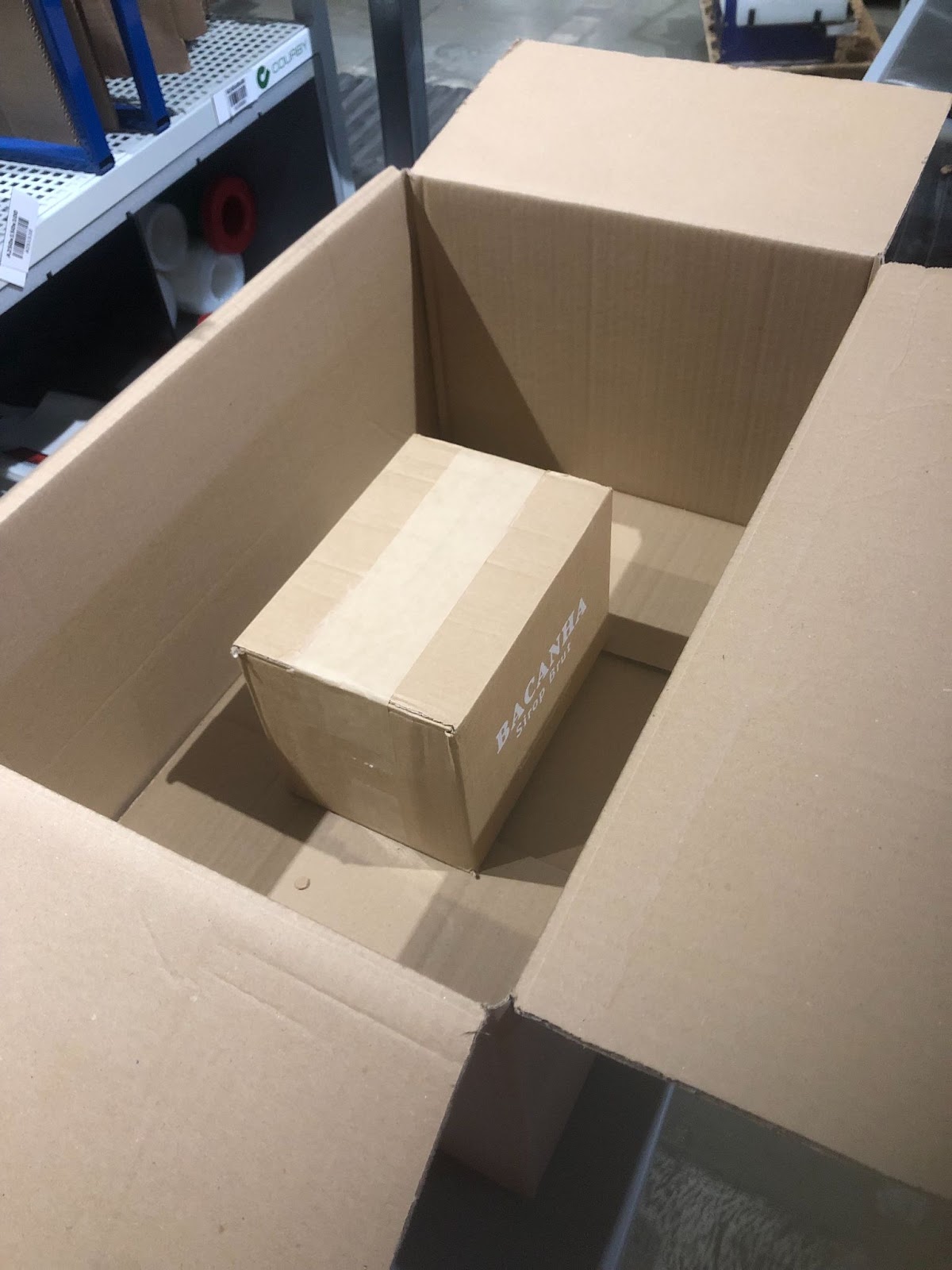
Packaging too large - The product keeps getting moved around
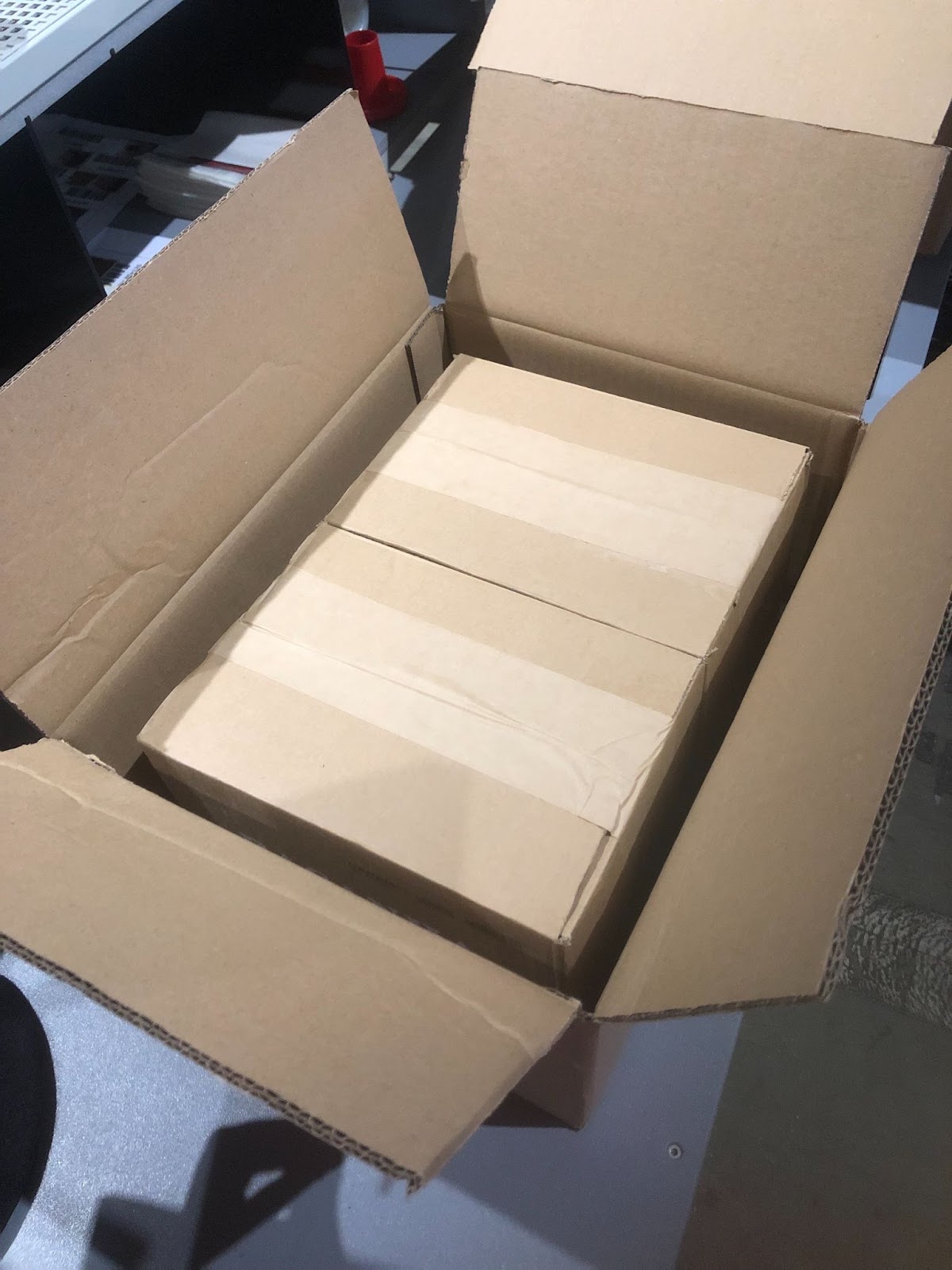
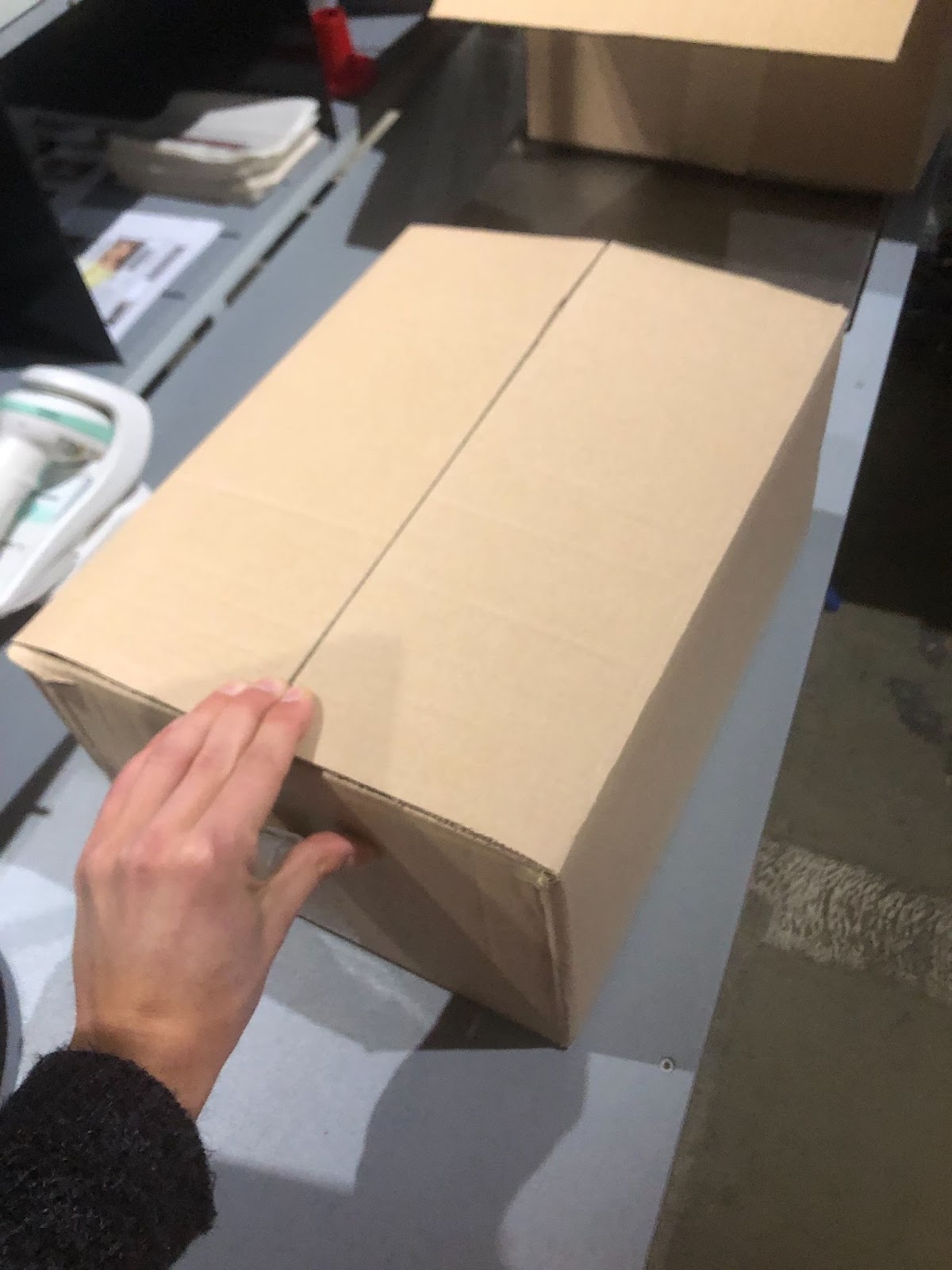
The products do not touch the packaging.
With a little shimming they will be secure and the packaging can be closed neatly.
Lack of cushioning material
Learn more
Wedging the product in the parcel is an essential step to avoid and absorb shocks during transport. Several solutions exist depending on the type of product.
Dividers
These are preferable for products such as beverages in glass containers, spreads or tableware, which are mainly sold in batches.
The purpose of dividers is to prevent products from colliding with each other during transport, thereby reducing the risk of breakage.
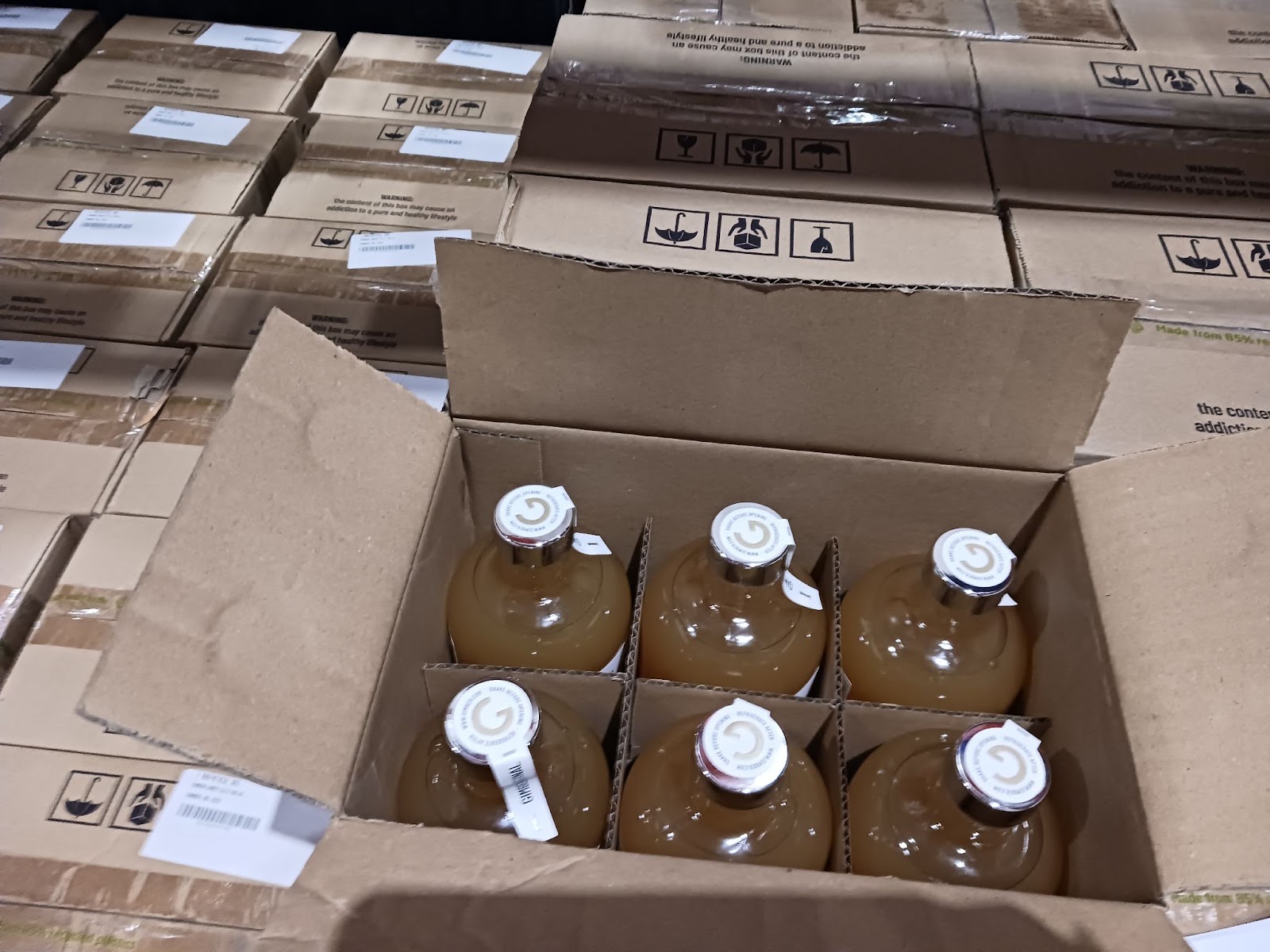
Products protected against impact by dividers
Shredded paper/shredded wood/Polystyrene beads
For fragile single products, it is advisable to cushion them with shredded paper or shredded wood to absorb shocks. For hollow products (e.g. cups), it is advisable to add shredded or kraft paper inside to reinforce the cushioning effect.
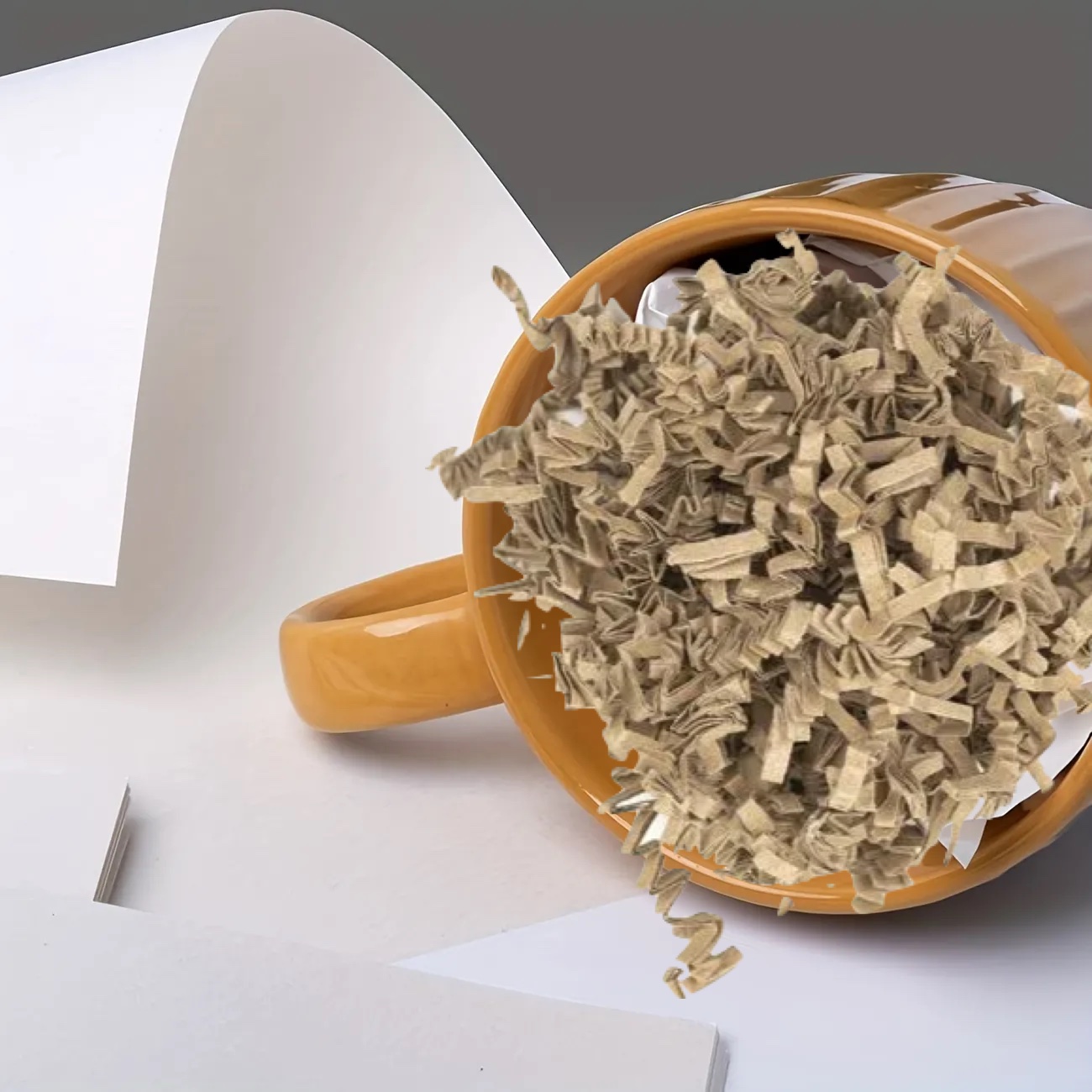
Mug with shredded paper
to protect it from shocks
Bubble film
Bubble film can be used for the most fragile products when packing.
Kraft paper/Air cushion
Kraft paper and air cushions should be used for less fragile products, as they absorb shocks less and fill the space with less material to prevent the product from banging against the walls of the parcel.
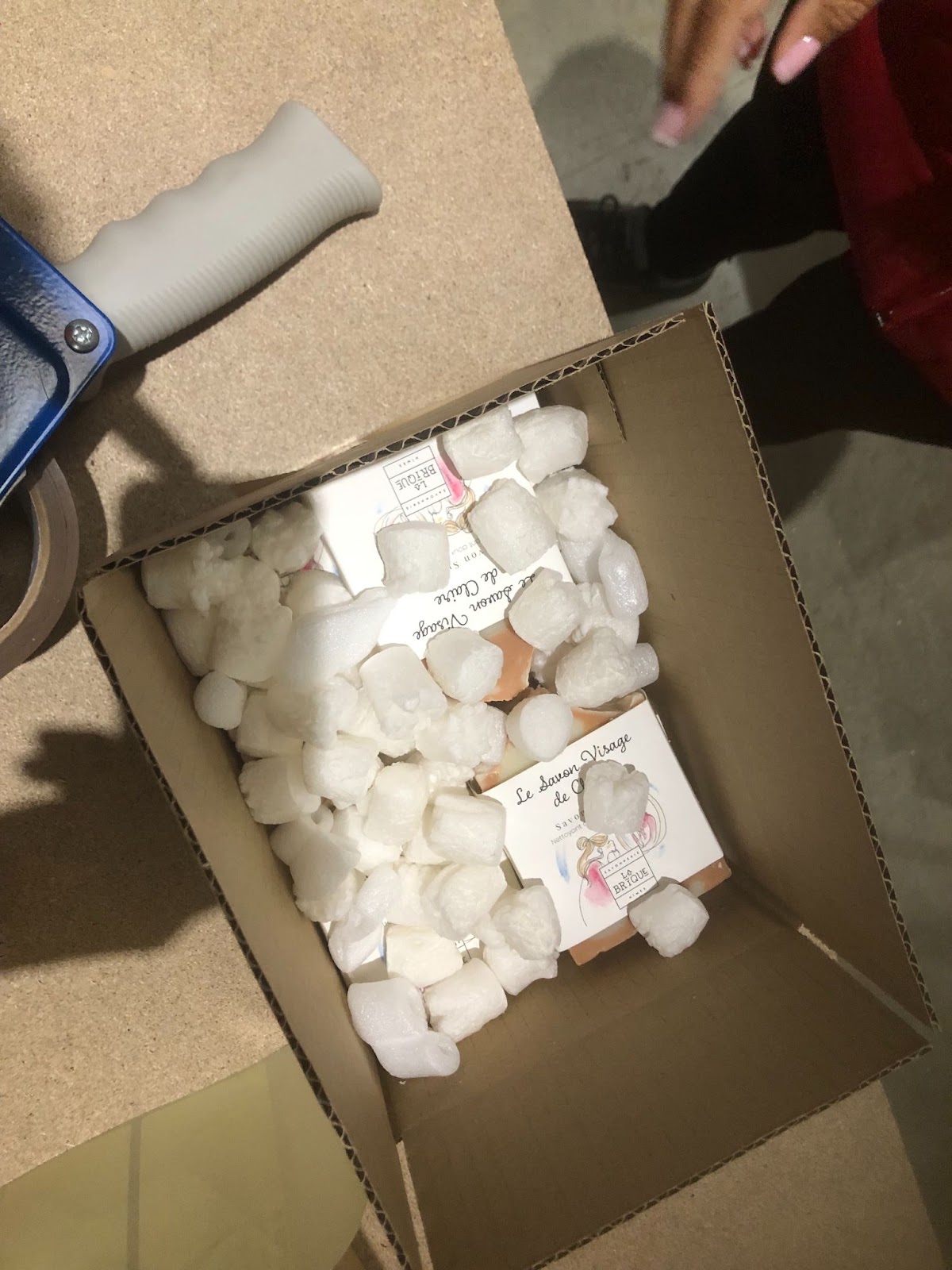
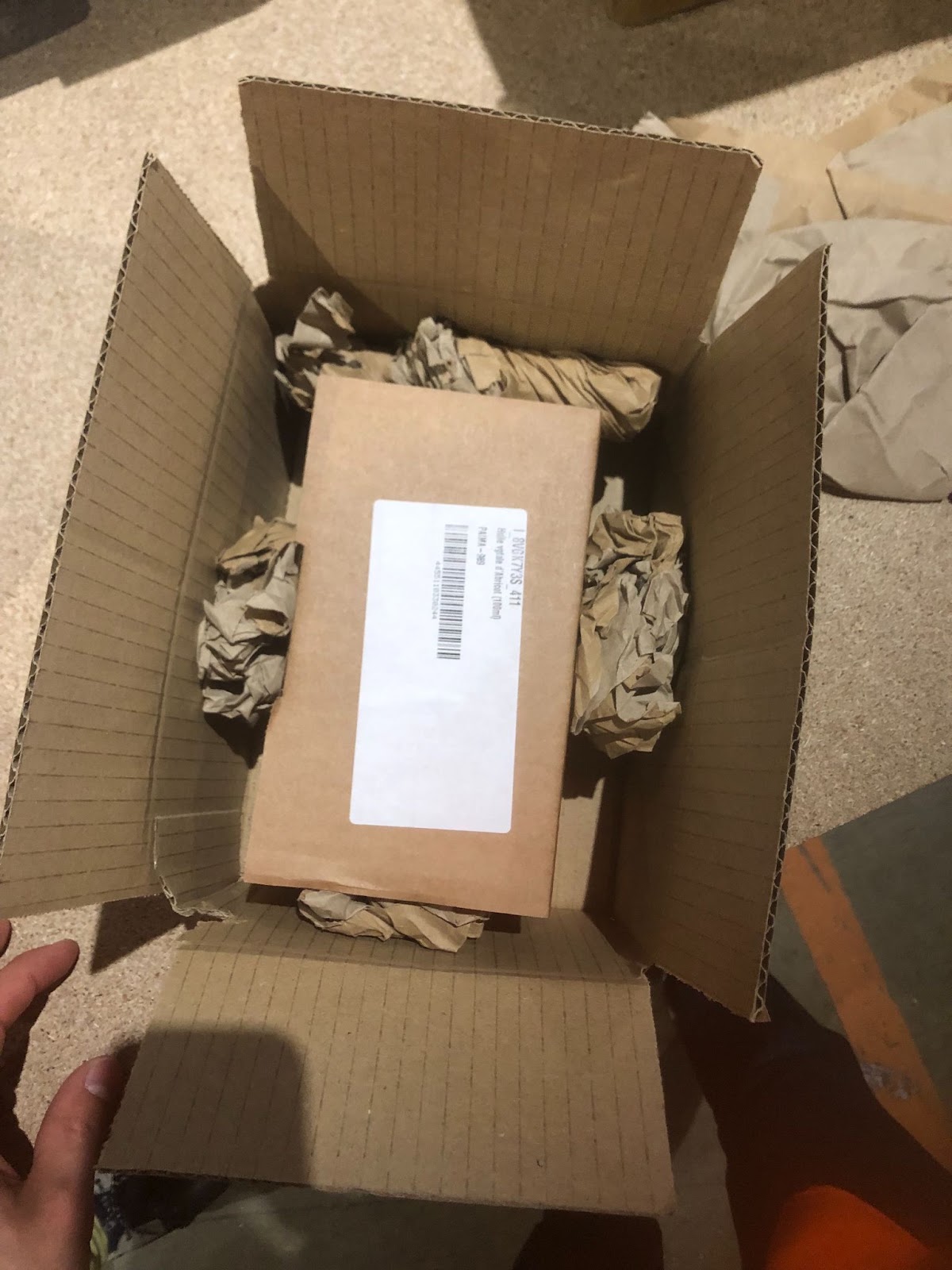
Example of products cushioned with
polystyrene beads and kraft paper
Expert tip: remember to fill as many empty spaces in the packaging as possible.
Incorrect product positioning
Learn more
Space between the box and the products
As mentioned in the previous section on “packaging dimensions”, it is important to choose the right box from the outset, and not one that is too big or too small.
Distribution of the product(s)
There are several possible scenarios. There may be just one product to pack, or several to put in the same box.
If there is only one product, you will need to be careful to position it correctly and wedge it in the centre of the box.
Product positioned in the centre of the packaging
If there are several products, which may vary in size, make sure you position the heaviest product first, at the bottom of the box, in the centre, so as not to crush the others. Finally, distribute the other products around the heavy object, then on top.
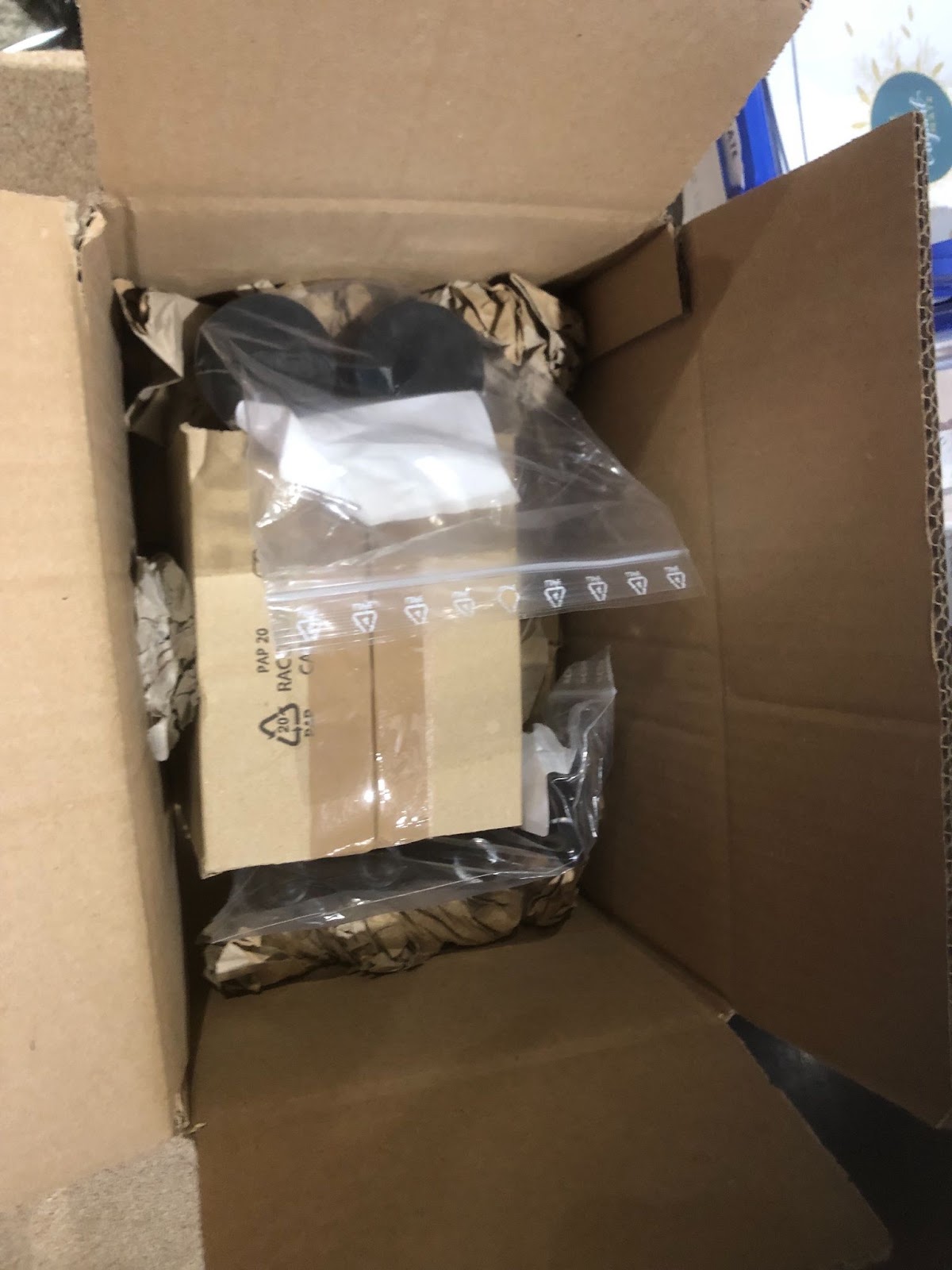
Heaviest product positioned in the centre
and other products around it.
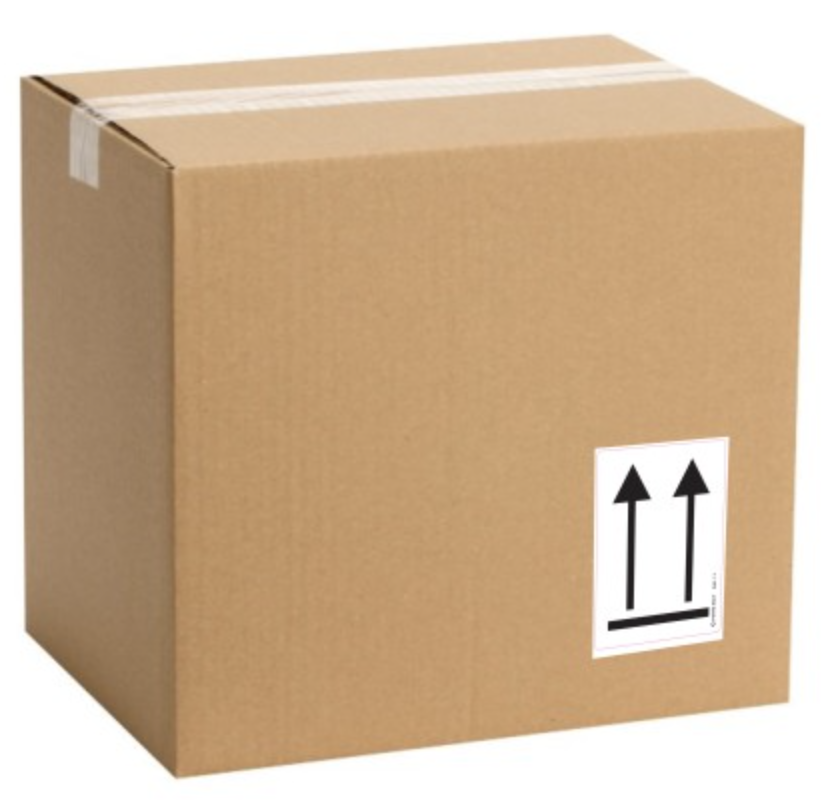
Expert tip: if the parcel contains several products (multi-products) and the heaviest must remain at the bottom to avoid damaging the others during transport, it is essential to indicate the top of the box to the carriers. This can be done manually with a felt-tip pen or marker, but will be more visible with a sticker.
Example below :
Inappropriate sealing of the package
Learn more
Quality of adhesive tape
Poor-quality adhesive tape will cause the tape to peel off during transport, resulting in damage to the parcel and possible breakage or loss of the goods. It is therefore essential to choose an adhesive tape that sticks perfectly and does not tear.
Expert tip: choose a 5cm wide tape to prevent the box from opening by itself
Type of sealing
There are different ways of sealing a carton with adhesive tape:
L-shaped: for light products

U-shaped: for heavy products or the transport of light products that will go through several stages of routing

Combined L and U shaped: for transporting heavy products over long distances (international orders)

H-shaped: a highly secure method suitable for all products

Expert tip: always use the H method to ensure effective sealing, whatever the type of product in the box.
Shipping labels
In order for the shipment to go as smoothly as possible, the parcel must be properly labelled:
On the document pocket, the recipient's and sender's addresses and the sender's addresses must be clearly visible, as well as the barcode.
If there are fragile products in the parcel, add the "Fragile" and "Top Position" labels to warn the carriers so that they can take precautionary measures during transit.
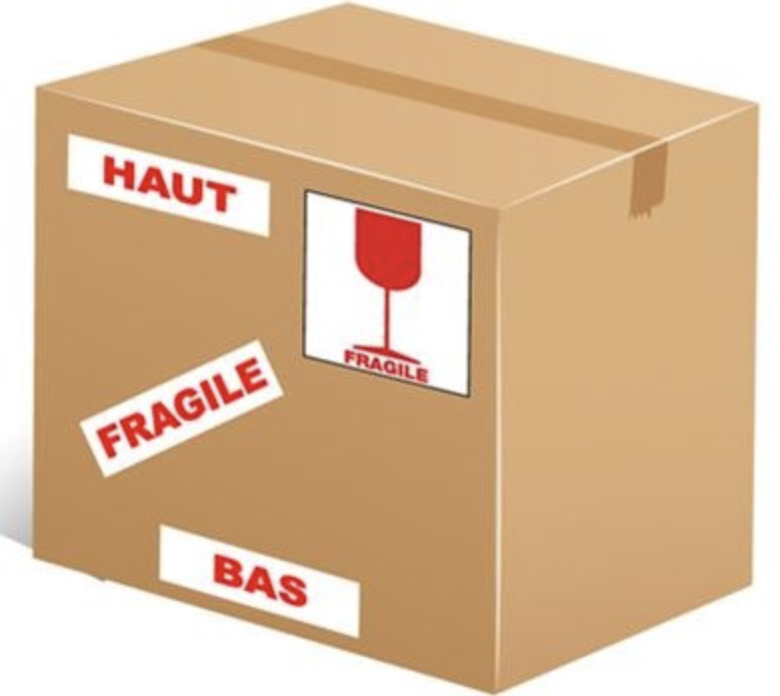
“Fragile” and “Top Position” labels can be found on the following document to print and paste on the parcel:
Weathering and non-waterproof products
Learn more
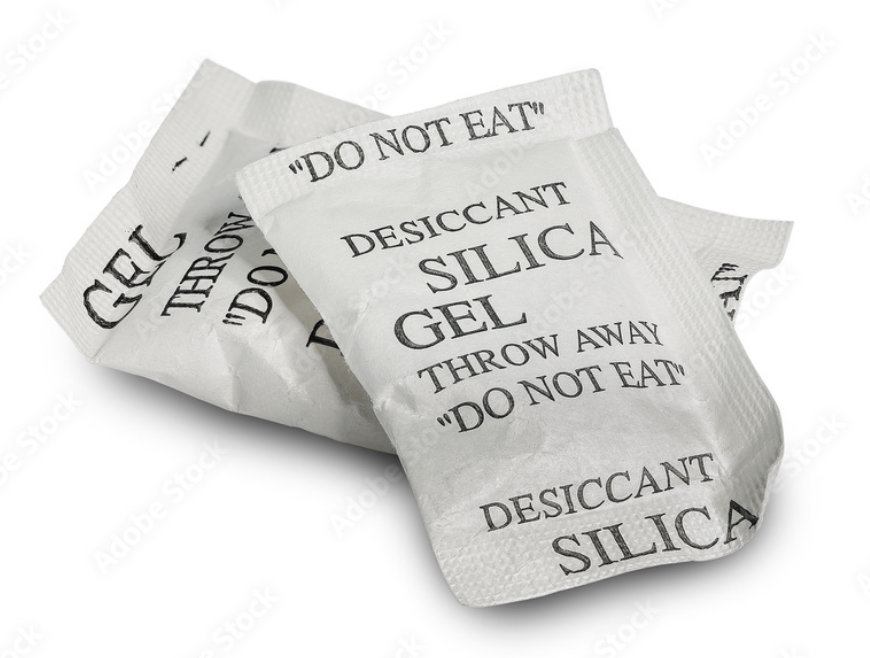
Silica gel can be added to the parcel to reduce humidity in textile and pottery products and prevent mould or cracks.
What happens when a retailer is reporting an order issue (damaged, defective, missing, wrong, late products)?
The routing of a claim depends on its nature. For orders with missing, wrong or defective products, shipped with your carrier or Ankorstore carrier, claims are directed to you, as these issues originate before shipping.
In cases where orders arrive with damaged items, the process differs:
Claims for orders shipped by the brand's carrier will be sent directly to the brand.
For shipments managed by Ankorstore's partner carriers or through the Ankorlogistics Fulfillment Center, Ankorstore's customer service will handle the issue.
If you do not comply with the specified packaging standards mentioned below, you will be held responsible for any damages incurred, even when the order is shipped using Ankorstore's partner carrier.
Adhering to proper packaging protocols is crucial for ensuring the safe transit of products. Non-compliance with these standards places the responsibility on the brand for any issues arising during shipping. This policy incentivizes all parties to uphold high packaging standards to protect products throughout the delivery process.